NTO Tax & Covid-19 Peer-learning – Programme
Download
NTO Tax & Covid-19 Peer-learning – Programme Read More »
Download English Download Spanish Download French July 2019 In this position paper, the Network of Tax Organisations outlines the following recommendations for the Addis Tax Initiative post 2020: Recognise its unique set-up with partner countries and development partners coming together at one table united by their common goal. Step up efforts in reaching out to non-ATI partner countries, especially in the Asia Pacific region and Latin America. Support the ATI in taking over a more active role in donor coordination at the international level. Launch a new ATI Declaration by 2020. Focus on the objectives of aid effectiveness and donor coordination and better taking into consideration the absorption capacities of partner countries; Recognise the role that regional and tax organisations and the NTO can play in promoting South-South cooperation, notably through peer-to-peer exchanges, and needs-based aid delivery to DRM. Consider supporting the NTO and its member organisations as best-placed and reliable partners to assess and report on the effectiveness of DRM initiatives conducted in their member countries, and ensure DRM efforts are targeted in areas where it has the most impact. Commit to strengthening the inclusiveness of international tax standard setting processes and to supporting the NTO in providing a stronger voice to partner countries within existing international frameworks.
Stronger Together: Building Synergies for Domestic Revenue Mobilisation Read More »
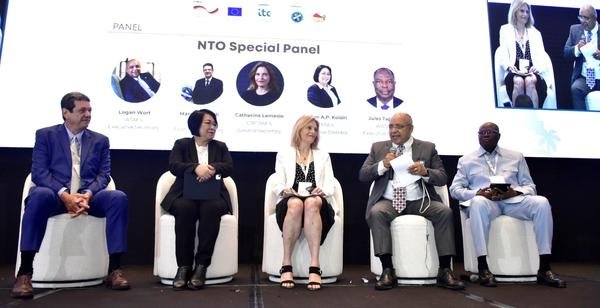
04/01/2025 The 3rd NTO Technical Conference brought together tax administrations, Ministries of Finance, international experts, and representatives from the private sector and civil society to discuss the challenges of taxing the digital economy and share practical solutions. The 3rd NTO Technical Conference, held in Panama City from 18 to 20 February, offered a platform for tax administrations worldwide to address the complexities of taxing the digital economy, exchange experiences, and explore practical approaches, sharing the floor with representatives from Ministries of Finance, experts from international financial and development organisations, the private sector, and civil society organisations. Hosted by the Inter-American Center of Tax Administrations (CIAT), the three-day event focused on crypto assets, e-commerce, and the gig economy, offering insights into regulatory approaches and tax enforcement strategies. The varied expertise of voices offered a broad range of perspectives on the state of play of key topics to the digital economy. The Conference was attended by more than 130 participants on site in Panama and over 200 online attendees. Participants represented approximately 40 tax administrations and ministries of finance worldwide, as well as over 15 international bodies, including development banks, international fiscal organisations, research institutes, civil society organisations, and the private sector. Key discussions and outcomes Discussions of the first day covered the fundamental challenges in crypto taxation, including unclear definitions, regulatory gaps, and transaction anonymity. It highlighted the importance of modernising tax systems through better IT, enhanced data analytics, and educational investments to keep up with the fast-evolving crypto world. “Crypto assets are here to stay. They are part of the world we live in and require regulation.” Gonzalo Arias, Cooperation and International Taxation Director at CIAT. Experts from the IMF and the tax administrations of Brazil and Spain shared insights on enhancing compliance through data collection, IT upgrades, and targeted enforcement. Representatives from India and the UK tax authorities discussed the difficulties in legally recognising and classifying crypto assets, while the OECD called for updated, clear tax rules and voluntary disclosure schemes. A separate session addressed the use of crypto assets in financial crime. The sessions also showcased global enforcement efforts, including case studies on asset seizures and cross-border cooperation, and underscored the critical role of public-private partnerships and specialised training to tackle crypto-criminal activities. The second day of the Conference focused on the taxation of digital platforms and cross-border digital services. Experts discussed the need for stronger information exchange between tax authorities, with Portugal and Chile showcasing successful systems for enforcing reporting obligations. Countries like Peru and Colombia introduced Significant Economic Presence rules to ensure foreign digital service providers contribute to local tax revenues. The discussions highlighted the growing role of digital platforms in modern taxation and the challenges of balancing compliance, administrative efficiency, and economic impact. “Digital platforms are now, and will remain, an essential component in the application of taxes, offering a clear opportunity for tax authorities to enhance the enforcement of tax systems” . Cristina Herrera, Director of Studies at Institute for Fiscal Studies, Spain’s MoF. Further sessions examined the debate between Digital Services Taxes (DSTs) and OECD’s Pillar 1, assessing that DSTs offer more revenue potential and flexibility for developing countries. The South Centre and the Independent Commission for the Reform of International Corporate Taxation called for a shift of negotiations towards the United Nations Framework Convention on International Tax Cooperation (UNFCITC) for a fairer international tax framework. Additionally, discussions on VAT for cross-border digital services featured insights from the African Tax Administration Forum (ATAF) and the World Bank, emphasising readiness, communication, and challenges for VAT implementation on the digital economy. Case studies from Kenya and South Africa shared their approaches to taxing digital imports. Day two outlined that while digitalisation creates enforcement challenges, it also presents opportunities for tax administrations to refine their approaches and strengthen revenue collection. On the third day, Tax Justice Network Africa (TJNA) highlighted how international tax rules often favour developed countries, making it harder for others to collect revenue. Kenya and Nigeria shared their efforts to tax digital services, while ATAF stressed the need for integrated technology systems to track digital transactions and improve countries’ enforcement capacity. “Developing countries need to build stronger tax administrations to ensure that digital services are taxed fairly and equitably” . Chenai Mukumba, TJNA’s Executive Director. Discussions also covered crypto tax enforcement, with officials from Customs and Revenue Authorities from Italy, Austria, Bulgaria and Sweden sharing their experiences. The final session looked at how tax administrations must adapt to the rapid-evolving digital tax landscape, highlighting that it requires substantial technological input and expertise. Digital transformation presents both challenges and opportunities, with skilled workforce development being essential for effective tax administration in the evolving digital landscape. Way forward The 3rd NTO Technical Conference highlighted that embracing the digital era is essential for developing efficient, transparent, and modern revenue administrations – ensuring they remain equipped to address emerging challenges and serve the public interest. It demonstrated the value of technical exchanges and peer learning for NTO members and their national tax administrations, while highlighting NTO’s role in fostering collaboration among tax administrations worldwide to enhance their efficiency for the wellbeing of citizens. As the Network of Tax Organisations (NTO) continues to facilitate knowledge-sharing among its members, the insights gained from this Conference will inform future initiatives aimed at strengthening tax systems in an increasingly digitalised world.
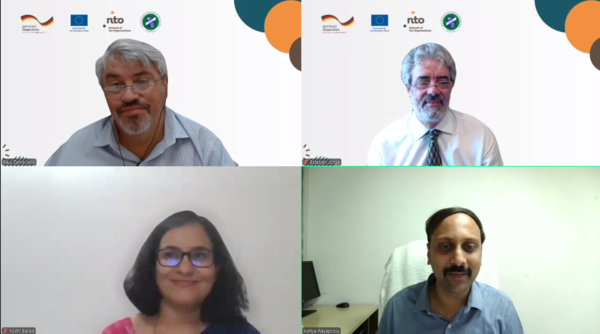
04/02/2025 On 26 March, the Network of Tax Organisations (NTO) successfully concluded its three-part webinar series on Data Governance with the final session titled, Navigating Data Governance: key takeaways and practical insights. The session brought together over 100 participants from tax authorities across the globe, affiliated with NTO member tax organisations. The third webinar of the series was moderated by Raúl Zambrano, Technical Assistance and Innovation Director at the Inter-American Centre for Tax Administrations (CIAT) and co-author of Data Governance for Tax Administrations: A Practical Guide. The event was conducted in Spanish and English with simultaneous French interpretation, fostering a rich, multilingual discussion. This final webinar built upon the foundations laid in the previous sessions, “Data Governance at a Glance: from Theory to Practice“ and “Data Governance in Action: the Road to Data Quality“, offering deeper insights into practical application and upcoming learning opportunities. Announcing the NTO MOOC on Data Governance A key highlight was the announcement by the Secretariat of the NTO of the upcoming Massive Open Online Course (MOOC) on Data Governance, authored by expert Esteban Alonso. Set to launch this year, the comprehensive course, titled “Fundamentals of Data Governance in Tax Administration,” will be offered free of charge to tax administrations affiliated with NTO member organisations. Mr. Alonso explained that the e-learning course, featuring video lessons, case studies, and additional resources, is designed to provide a deep and applicable understanding of data management & data governance tailored specifically for tax administration contexts. He emphasised its unique value: “It offers deeper understanding and practical applicability on the subject matter, it was developed by professionals who apply Data Governance in their daily work. It is a course created by tax administrators for tax administrators.” Lessons learned: the Indian Tax Authority experience Following Mr. Alonso’s presentation, Sri Aditya Rayaprolu and Nidhi Barad from the Indian Revenue Authority shared key lessons learned in practical data management. Sri Aditya provided a detailed breakdown of how the authority leverages data within its processes. Their presentation covered challenges and best practices, focusing on data cleansing, imputation, validation, and taxpayer feedback mechanisms. A key success highlighted was the creation of the Annual Information Statement (AIS) platform, which provides taxpayers with comprehensive information on their transactions and allows for instant feedback, thereby enhancing transparency, trust, and usability. Techniques such as utilising the Permanent Account Number (PAN) as well as fuzzy logic and demographic data were also detailed, demonstrating a practical approach that led to a significant improvement in usability (reported as 15%). Sri Aditya underscored the importance of communication, stating, “Outreach matters when explaining what is important.” The webinar concluded with a lively Q&A session, where participants from various tax authorities expressed keen interest in the upcoming MOOC and shared their own perspectives. If you are interested in participating in the NTO MOOC on Data Governance kindly contact the NTO Secretariat at secretariat@taxcompact.net. In case you missed the previous webinars: Find here insights from the first webinar “Data Governance at a Glance: from Theory to Practice”. And here from the second event “Data Governance in Action: the Road to Data Quality”. Learn more about the NTO Data Governance initiative here.
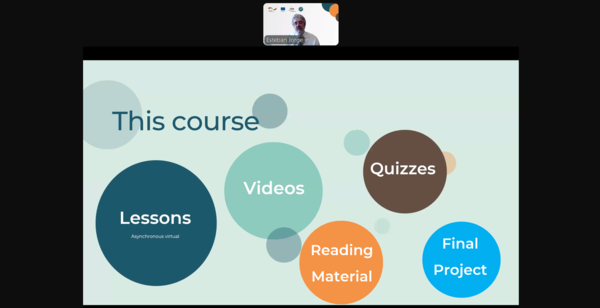
04/04/2025 Data governance and management are key for efficient tax administration. To build capacity, the NTO and CIAT developed an online course for tax authorities affiliated with NTO members. Data governance and data management are key elements not only in optimising processes in revenue administrations but also in leveraging emerging technologies like artificial intelligence. To strengthen institutional capacities in this field, the Network of Tax Organisations (NTO) and the Inter-American Center of Tax Administrations (CIAT) have developed an online course available for tax administrations affiliated with members of the NTO. The course was introduced by computer science expert Esteban Jorge Alonso during the third and final webinar of the NTO Data Governance series, Navigating data governance: key takeaways and practical insights. In his presentation, he highlighted how data governance not only enhances internal organisational management but also opens the door to new applications of artificial intelligence and other advanced technologies. This free course, available on the Atingi platform, combines proven methodologies with real-world experiences, offering strategic tools to maximise the value of data in decision-making. Over five lessons and a case study, participants will explore fundamental concepts and practical strategies applicable to their day-to-day work in their respective revenue administration and institutions. This course aims to equip participants with essential knowledge and tools to enhance institutional capacities and leverage data for decision-making. It covers key concepts of information management and data governance, explores frameworks for tax administrations, and provides best practices for implementation, culminating in a case study analysis. Content of the course Lesson 1: Introduction to Data Management and Data Governance An introduction to key concepts, from the basics of data, information, and knowledge, to core principles of data governance and management. This lesson also covers roles and responsibilities in a governed environment, common terminology and slang in the field, and internationally recognised areas of expertise. Lesson 2: Data Governance Principles and Framework This lesson explores the foundational principles of data governance and its importance for tax administrations. Participants will learn about common governance frameworks, different models used in practice, and the key factors driving data governance programmes. Lesson 3: Data Governance in Tax Administrations A deep dive into the common challenges of data management within tax administrations, with a strong focus on data quality. The lesson highlights how data quality affects decision-making and presents strategies for continuous improvement. This lessons places emphasis on the need for ongoing monitoring to ensure accurate and reliable information. Lesson 4: Maturity Assessment This lesson introduces data governance maturity models, focusing on the framework developed by DAMA (Data Management Association). Participants will learn how these methodologies can help establish objective metrics and guide organisations in planning continuous improvements in data governance. The lesson also covers how maturity assessments can inform strategic planning. Lesson 5: Strategies and Lessons Learned Participants will explore case studies of tax administrations that have implemented data governance frameworks. The lesson presents best practices, key takeaways, and common pitfalls to avoid. It underscores the importance of adapting lessons learned to each organisation’s unique context rather than applying them rigidly. Case Study: Final Project In the final section, participants will apply their knowledge to a case study designed to assess their understanding and provide feedback. This hands-on exercise allows participants to analyse a realistic scenario and propose solutions based on the principles covered throughout the course. Methodology The course is delivered through an online learning platform, providing participants with structured materials in various formats: Short videos introducing each topic. Readings specifically designed for tax administrations. Self-assessment quizzes. A final project based on a practical case study. Additionally, the course provides access to specialised references, including publications from CIAT, IOTA, and the DAMA DMBOK handbook, along with further reading materials for those interested in expanding their knowledge. With a practical approach, this course offers a valuable opportunity to strengthen data governance skills in revenue administrations. If you would like to register to the course, kindly contact the NTO Secretariat at secretariat@taxcompact.net Learn more about the NTO Data Governance initiative here.
Online Course on Data Governance: Fundamentals and Strategies for Tax Administrations Read More »
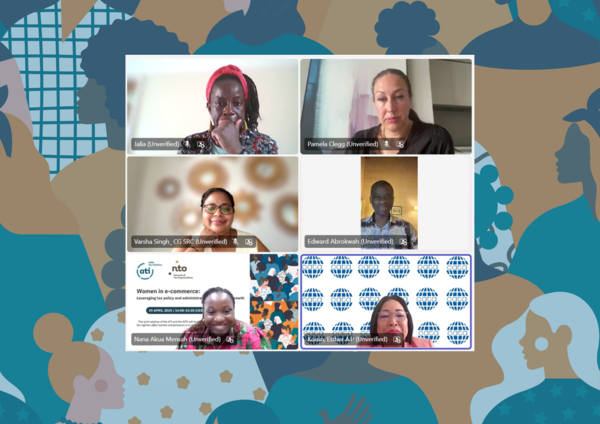
05/06/2025 The ATI-NTO webinar was organised to discuss how tax policy and administration can support women’s active participation in e-commerce. Women entrepreneurs often face challenges in accessing digital tools, financial literacy, and support networks. With tax policies designed largely around traditional business models, many women are left without the guidance or incentives they need to thrive. Therefore, as these sectors expand, tax policy must adapt to ensure fairness, equity, and inclusivity. With this in mind, on 29 April 2025, the Addis Tax Initiative (ATI) and the Network of Tax Organisations (NTO) jointly organised a webinar titled “Women in e-commerce: leveraging tax policy and administration for inclusive growth” which was attended by about 60 participants. The webinar explored the challenges and opportunities in using tax policy and administration as levers to support women’s full and active participation in e-commerce. By bringing together policymakers, tax administrators, e-commerce platforms, civil society actors, and researchers, the discussion underscored the transformative potential of making the digital space gender inclusive, contributing to the advancement of the SDG 5 – Gender Equality. This goal is central for both the ATI and the NTO. The opening remarks of the event were conducted by the Head of the NTO Council and Executive Director of Commonwealth Association of Tax Administrators (CATA) – Esther Koising. She highlighted the importance of tax policy and tax administrations to adapt to innovations, underscoring the opportunity to create a tax environment that allows women to thrive in the digital economy. The discussion was moderated by Nana Akua Mensah. The panel discussion which reflected on concrete tax policy and tax administration aspects was preceded by an expert presentation that laid the ground. Here are the main take aways of the presentation delivered by Jalia Kangave, Associate Research Fellow at the International Centre for Tax and Development (ICTD): Tax responses to digitalisation include policy reforms, such as the introduction of digital service taxes, and the adoption of digital tools to make revenue authority processes agile and efficient. Digitalisation can reduce costs to both tax administrations and taxpayers. However, these benefits are not always automatic to the latter. Poor access to technology and internet connection, lack of technological awareness and skills, low literacy levels, and mistrust in new systems are all barriers for the adoption of digital tax tools. Such barriers tend to be higher to women, who face a significant mobile access gap in south Asia, sub-Saharan Africa and Middle East and North Africa (MENA), and are overrepresented in the percentage of informal workers and small firm owners, especially in Africa. The fact that women have usually less awareness about the functioning of tax systems, in general, and have less access to networks also contributes to that. Although not directly targeted at women, recent reforms to simplify and digitalise taxation in the informal sector can have a positive impact on them. However, a survey conducted on the usage of novel digital tax tools in Rwanda shows that women are still less aware of innovations in comparison to men. Education, awareness and the size of companies are reported as the main characteristics influencing the adoption of these tools. Following this input, Nana commenced the moderated panel discussion which hosted, alongside Jalia, high-level speakers and specialists – Varsha Singh, Commissioner General at the Seychelles Revenue Commission (SRC) and board members of ATAF Women in Tax Network, Edward Abrokwah, Director of Revenue Policy at the Ministry of Finance of Ghana, and Pamela A. Clegg, Vice President for Latin America at IVIX. The conversation was kickstarted with a question posed to Jalia on what research tells us about the intersection of digitalisation, taxation, and gender. She highlighted the role of mobile money in advancing financial inclusion in Africa, especially for the those in the informal economy. While this enables governments to tax informal activities more easily, she raised concerns about the potential negative impacts on women’s income and inclusion. Despite limited evidence, short term studies found an initial drop followed by increased mobile money usage, though without gender-disaggregated data, in response to taxes on mobile money. In Ghana, for instance, as the e-levy exempted low-income users, among whom women are overrepresented, the impacts on them were not that pronounced. Drawing from his experience on designing and implementing policies targeted at women led small and medium enterprises (SME), Edward shared an economist perspective. He emphasised the importance of gender-inclusive policies in promoting women’s economic growth, noting that gender-neutral approaches often fail to ensure their full inclusion. In Ghana, where nearly 44% of SMEs are led by women and contribute to 70% of GDP, innovations by the Ghana Revenue Authority, such as the e-levy, have supported women’s access to the formal economy and credit. However, he emphasised that tax policy alone is insufficient – skills training and additional economic incentives are needed to enhance women’s participation in the digital space. Pamela A. Clegg presented IVIX’s work as the first AI-powered platform designed to support governments in combating financial crime. The platform helps tax authorities identify compliance patterns, revealing that men are more likely to underreport income while women demonstrate higher tax compliance. In the digital economy, where women are more often digital influencers and men account for around 70% of short-term rentals, tax compliance tends to be lower among the latter. Considering strategies to improve compliance, Pamela emphasised a preference for a “carrot” approach, prioritising incentives and guidance over punitive measures. Assuming that non-compliance often stems from the complexity of tax systems, they focus on notifying and explaining to individuals on how to meet their obligations and settle outstanding debts. This strategy, reinforced by educational campaigns, has proven cost-effective in some cases, recovering up to 50% of unreported tax revenue. Varsha Singh, who is also ATAF Women in Tax Network (AWITN) board member, discussed the role of international and regional initiatives and tax organisations, including the ATI and the NTO in advancing gender-responsive tax policy. She presented some of the main initiatives taken place by AWITN in recent years and highlighted actions she considers essential to advance the agenda. Looking at the representation of women in tax administrations, an increase in the share of female senior tax officials in ATAF member countries from 15% in 2021
Women in the e-commerce: leveraging tax policy and administration for inclusive growth Read More »
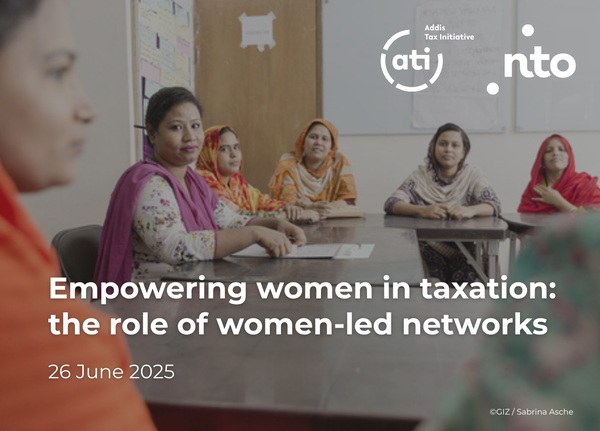
07/02/2025 The NTO-ATI webinar on tax and gender served as both a celebration and a powerful reflection on how mentorship, collaboration, and strategic intent can transform women’s roles in tax administrations. On June 26, 2025, more than 70 participants joined a landmark webinar to celebrate the conclusion of the pilot phase of the Women in Tax Mentorship and Leadership Programmes, led by with Pacific Islands Tax Administrators Association (PITAA) and Cercle de Réflexion et d’Échange des Dirigeants des Administrations Fiscales (CREDAF), with strategic support from the Network of Tax Organisations (NTO). The virtual event was jointly hosted by the NTO and the Addis Tax Initiative (ATI) – two result oriented initiatives working in the area of domestic revenue mobilization (DRM). The webinar opened with remarks from Petero Maivucevuce, Head of the PITAA Secretariat, who spoke to the heart of the initiative: “When more women lead in tax authorities, it encourages others to join the sector and improves how women taxpayers are treated. This trust feeds directly into more effective tax collection and enforcement.” Dr. Nthabiseng Debeila, Lead of the African Tax Administration Forum’s Women in Tax Network (AWITN), followed with a passionate presentation on systemic challenges. “It is a man’s world, no wonder things are going wrong,” she quoted from Botswana’s tax chief, before adding, “…gender equality in taxation is not a luxury. It’s a necessity for development, representation, and justice.” She emphasised the need to address economic, political, and workplace exclusion, and celebrated the mentorship model as a tool for transformation. Dr. Altayesh Taddese Terefe, Advisor at the NTO Secretariat, shared the conceptual and practical underpinnings of the NTO’s Manual for Networking and Mentorship Programmes for Women Tax Professionals, developed in 2023. The pilot programmes with PITAA (12 mentor-mentee pairs) and CREDAF (66 participants) ran for six months and focused on themes such as goal-setting, confidence-building, and workplace leadership. This comprehensive manual provides step-by-step guidance for designing and implementing gender-responsive networks. It includes detailed commentary, a case study based on the ATAF Women in Tax Network, and a checklist for adapting to regional contexts. The manual has already begun to serve as a practical tool for tax organisations aiming to foster inclusivity and leadership among women in the tax field. The first of the pilot programmes, led by PITAA, was a six-month mentorship initiative that ran from December 2024 to May 2025. It brought together 12 mentors and 12 mentees from across the Pacific region. The programme was structured around monthly virtual sessions, covering topics such as goal setting, confidence building, workplace leadership, career development, and personal branding. Mentee Tepu Kea, Senior Tax Auditor Team Leader-VAT at the Cook Islands Ministry of Finance, shared how the programme provided a new lens through which to view her professional role. She spoke about gaining practical insights into audit strategies and the value of cross-border mentorship, saying: “Coming from a small island, this programme expanded my perspective. It helped me see how we can improve audits, support teams, and build our systems.” Vanessa Mamu, Director at the Internal Revenue Commission in Papua New Guinea – a mentor from PITAA, shared her transition from mentee to mentor. Initially hesitant, she found her strength in authenticity and mutual growth. “At first, I didn’t think I had what it takes to be a mentor. But I have learned that authenticity is a strength, not a weakness. We rise by lifting others. This Programme empowered me to see my own worth and to pass that on.” CREDAF’s pilot, on the other hand, focused on leadership development for 66 mid-to-senior level women professionals across Francophone Africa. Spanning six months, the programme offered six virtual training modules, group mentorship sessions, and technical discussions tailored to build leadership capacity and promote gender equity. Participants explored themes such as professional growth, network building, and mentorship preparation. Irène Ahuelie, Sous-directeur at the Direction Générale des Impôts in Côte d’Ivoire and a mentor in the programme, reflected on the empowerment she experienced through the initiative. “I became more confident, more vocal, and more effective in my leadership,” she said. Ny Lala Ratrimoson, Chef de Division Gestion at the Direction Générale des Impôts in Madagascar and a mentee, shared how the programme transformed her ability to handle workplace challenges and communicate with impact. “It changed how I lead and how I mentor others around me,” she stated, highlighting the deep professional and personal impact of the programme. The institutional impact of women’s leadership development was illustrated in detail by Mirriam Sabi, Chairperson of the Zambia Revenue Authority (ZRA)’s Women Leadership Development Forum (WLDF). Since 2021, ZRA has increased the percentage of women in senior management from 10% to 25%. This shift was enabled by a robust governance structure, including four working teams and defined leadership roles. Sabi emphasised: “We learned that structure brings sustainability. From regional workshops to boardroom trainings, we are equipping women with the tools to lead. Inclusion is not a side project. It is a strategic priority. We are not just empowering individuals; we a re shifting systems.” Bringing the event to a close, Ismaïla Diallo, Deputy Secretary General of CREDAF, offered final remarks grounded in gratitude and momentum. He acknowledged the vital contributions of mentors, mentees, and organisers, and issued a call to keep the networks thriving. “This is just the beginning. Let’s stay connected, keep building, and invite others into the circle. Together, we shape the future of taxation.” The work on empowering women in the tax field is getting started. Both PITAA and CREDAF are planning the next phases of their respective women in tax programmes. Stay on the lookout for the openings of the next phases.
Empowering women in taxation: the role of women-led networks Read More »
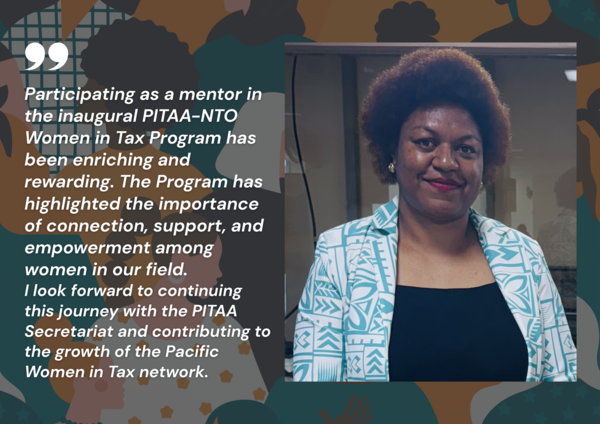
07/02/2025 In a moving and powerful speech, Vanessa Mamu, Director (Advising) of the Legal Service Division of the Internal Revenue Commission in Papua New Guinea shared her reflections on participating in the PITAA-NTO Women in Tax mentorship programme. This is Vanessa Mamu’s speech during her intervention in the webinar “Empowering women in taxation: the role of women-led networks”, jointly organised by the Network of Tax Organisations (NTO) and the Addis Tax Initiative (ATI) on 26 June 2025. The NTO Secretariat extends its heartfelt thanks to Vanessa for allowing us to share her moving speech. I have been a keen follower of the ATAF Women in Tax Network in recent years. Seeing women tax colleagues in the African continent connecting, collaborating, developing and raising awareness about the interconnectivity of tax policy and gender equality made me realise that such a network of like-minded women will greatly benefit us in the Pacific region as well. Over the years, I have had the pleasure of meeting women in tax colleagues from across the Pacific, and from the conversations I’ve shared with them I recognised the importance of representation, mentorship, and empowerment within the tax field in our region. I saw the programme as a unique platform to connect with women tax colleagues from my region, to learn from them, and also to contribute my voice, experiences, and insights which I hoped could be useful to the other participants in the program. My experience with the PITAA Women in Tax (WIT) Leadership Programme has been empowering. I had initially indicated my preference to participate in the programme as a mentee because I did not think that I had it in me to be a mentor. However, Petero Maivucevuce, Head of Secretariat at PITAA and the coordinators considered that I was well placed to be a mentor hence, they re-directed my course in this programme. Personally, the request from them to be a mentor was a huge vote of confidence in myself as a woman-in-tax and a professional. The mentorship journey and webinars highlighted to me the importance of leading with confidence, authenticity, and purpose. The programme also helped me reflect on my own leadership style, identify areas for growth, and actively work to better myself as a woman leader. Most importantly, the programme has reinforced the importance of empowering other women-in-tax in my region. I have two key takeaways from my participation in the PITAA WIT programme: 1. be authentic 2. the power of mentorship and networks 1. Be authentic One of the key lessons I learned is that human relationships require one to be your authentic self. To grow and establish effective 2-way relationships with other people, you must be yourself. Authentic leadership doesn’t require changing who I am—it requires being true to myself, self-aware, and values-driven. I’ve learned to embrace my own leadership style, which includes empathy, collaboration, and accountability. In my current role, I will endeavour to be authentic in how I lead others; this will include being more empathic, collaborate more with others, be accountable to my colleagues, and openly communicate to them the same expectation I have for them. 2. The power of mentorship and networks Being part of a regional community of women in tax showed me the power of mentorship and peer support. As the famous saying goes: “We rise by lifting others.” The programme affirmed the belief in my own expertise and ability to influence others. It was a light bulb moment for me in that I now see that I can mentor others—especially women—share knowledge and opportunities that can help them advance their careers in tax administration. I would wholeheartedly encourage other women to join leadership programmes like the PITAA Women in Tax Programme. For me, this opportunity offered more than just professional development—it provided me with the opportunity to connect with other women-in-tax colleagues in my region and share with them my experience in working in tax over the last decade. It made me realise that women-in-tax in my region face similar issues, and we can use this opportunity through the Pacific WIT network to find solutions to those issues. If you have the opportunity to participate in similar programs—take it. You’ll gain knowledge, confidence, and be part of a network of like-minded women that can support each other to drive meaningful change in tax administration across our region. I will define my journey in one word: EMPOWERING! I used this word to describe my journey because at the start of the programme, I did not think I was cut out to be a mentor. I didn’t have the self-belief in my own expertise to be able to guide another colleague in this programme. I’m thankful that Petero and the program coordinators believed in me (on paper) to direct me down this path of being a mentor, and I am glad I took on this challenge. The programme has been a rewarding path of mutual growth for both my mentee and me.
Women in tax: the mentorship journey of Vanessa Mamu Read More »
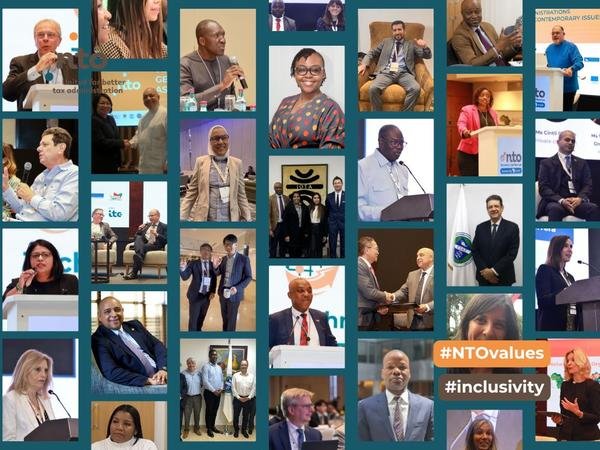
07/24/2025 Through member stories, videos, and social media engagement, the five-month long campaign celebrated how these values: complementarity, equality, transparency, voluntary participation, and inclusivity are brought to life across the global tax community. Over the past five months, the Network of Tax Organisations (NTO) brought its core values into focus through a digital campaign that showcased how principles such as complementarity, equality, transparency, voluntary participation, and inclusivity are shaping the identity, work, and collaboration within the network. Launched in the aftermath of the 3rd NTO Technical Conference, the campaign sought to connect the NTO’s mission to real-world achievements by highlighting how these values are embodied in the daily work of its members. Through personal testimonials, quote cards, video interviews, and themed content, the campaign offered a glimpse into the principles that guide the NTO’s collaborative model. Five values, five months Each month from March to July, a new value took centre stage across the International Tax Compact’s LinkedIn platform and NTO website, allowing followers to engage with rich content drawn directly from NTO member organisations. 1. Complementarity The campaign opened with the value of complementarity, underscoring how the NTO complements existing member efforts rather than duplicating them. Members such as CREDAF, WATAF, and IOTA shared how coordinated programmes and peer learning helped them build on shared priorities. In a video, CREDAF’s Executive Secretary, Catherine Lemesle, explained how training and knowledge exchange within the NTO builds on what members are already doing, she mentioned: “It is valuable to learn from what other tax organisations have already implemented.” 2. Equality The month of April spotlighted equality, a foundational principle ensuring that all NTO members regardless of region, size, or history have equal voice and participation in decision-making. Osman Abaker from ATAIC shared how equality creates space for smaller networks to contribute meaningfully. A series of “member facts cards” celebrated the diversity of organisational structures and regions within the network. 3. Transparency In May, the focus was on transparency, a key value fostering trust and collaboration. Through the reflections of IOTA’s Roman Bichevoy, the NTO highlighted the transparency of its work shadowing programmes and member visits. Bichevoy described how CIAT’s openness during the 1st NTO study visit in Panama set a powerful example for institutional learning. 4. Voluntary participation In June, the spotlight turned to voluntary participation, highlighting the NTO’s non-binding, collaborative structure. Leaders such as Dr Esther Koisin of CATA and Petero Maivucevuce of PITAA reflected on how their engagement in the NTO is driven by shared purpose and the spirit of global cooperation. “Voluntary participation is more than just a value it reflects a sense of ownership,” Maivucevuce noted. 5. Inclusivity The month of July saw an end to the campaign with inclusivity, celebrating the diversity of perspectives, languages, and regions across the NTO. A short video compilation from the 3rd NTO Technical Conference in Panama featured members stating, “I am [name of their member country], and we are NTO,” in their native languages emphasising that this is a network shaped by all who belong to it. The campaign helped raise awareness of the NTO’s core values both within the network and among external audiences. By using direct member voices and personal reflections, it offered a more tangible and relatable way to communicate the values that guide the NTO—putting faces to the principles and bringing them to life across the network.
The NTO concludes its values campaign Read More »