Latest News

Three New NTO Products to Enhance Data Governance in Tax Administrations
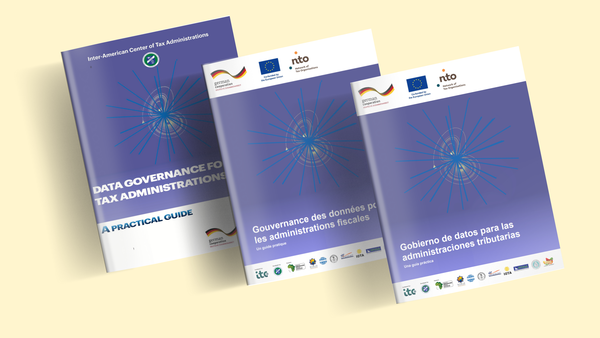
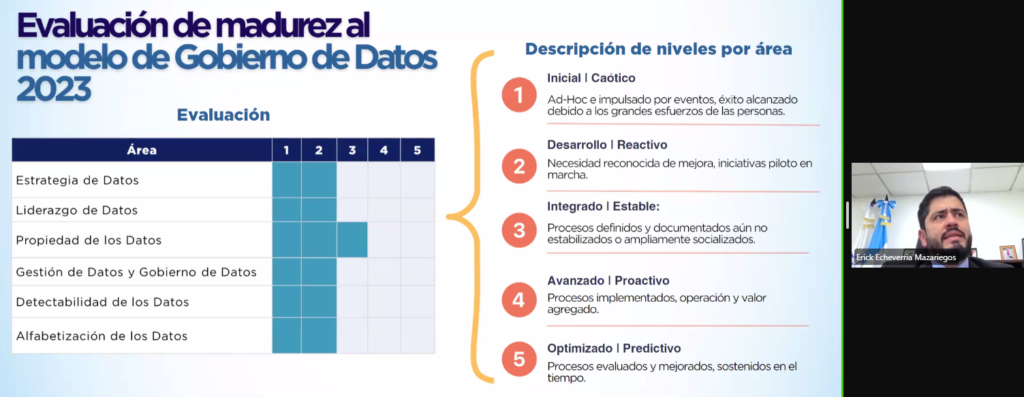
08/02/2024 Data is one of the most crucial assets of tax administrations, and requires stringent management to optimise its use and improve strategic decision-making. Over the past year, the Network of Tax Organisations (NTO) has been developing materials and resources aimed at improving data and information management for tax administrations. Recognising the importance of data in decision-making, the NTO is introducing three innovative products that will be valuable to tax administrations globally. These include a comprehensive Data Governance course, translations of the “Data Governance for Tax Administrations: A Practical Guide” manual into French and Spanish, and three online events to further knowledge through practical case studies and real-time exchanges with international experts. The NTO’s Data Governance initiative addresses needs that have been identified in numerous tax administrations, where issues like data validation, irregular data capture, and unnecessary storage have resulted in additional costs and reduced data quality. Data, being one of the most crucial assets of tax administrations, requires stringent management to optimise its use and improve strategic decision-making.   Data Governance Manual in Spanish, English, and French The NTO has sponsored the translation of the Inter-American Center of Tax Administrations (CIAT) publication “Data Governance for Tax Administrations: A Practical Guide” into French and Spanish. Originally published in English in 2022, this manual is a product of the technical assistance projects that CIAT provides to its member countries. Through these projects, CIAT identified opportunities for improvement in data capture and storage, as well as data quality enhancement.   The manual outlines various tools for data management, such as data catalogues, documentation portals, and information lifecycle management. Its goal is to provide tax administrations with a comparative perspective to self-evaluate their Data Governance processes based on best practices. This also helps tax administrations to develop their own roadmap for improving their Data Governance. It is a comprehensive guide that explains how Data Governance functions within the context of tax administrations. By facilitating translations into Spanish and French, the NTO extends this knowledge to a broader range of tax authorities worldwide. Download the manual here.  Massive Open Online Course on Data Governance The second product is an Massive Open Online Course (MOOC) on Data Governance, set to launch in mid-October. This interactive course introduces the content of the “Data Governance for Tax Administrations: A Practical Guide” manual. This 8-hour online course is conducted in English and allows participants to progress at their own pace. It is free for tax administrations affiliated with NTO member organisations. Through video lessons, case studies, and a collection of additional resources, participants will gain a deep, applicable understanding of data management. The course is unique as it offers deeper understanding and practical applicability on the subject matter, it was developed by professionals who apply Data Governance in their daily work. It is a course created by tax administrators for tax administrators. The curriculum covers common policies, both strategic and operational, and introduces a maturity model that allows each administration to assess its level of development in this area. Additionally, it provides practical tools for implementing significant improvements in data management. It is designed for officials from various areas and levels within tax administrations. It is particularly useful for executives who require a general understanding, and for employees working in areas involving Data Governance. It provides them with a common language and understanding of what data and information represent. Essentially, it unites all strategic, operational, and support areas under a general framework, facilitating coherence in data management within the tax administration.   Online Events on Data Governance The final product is a series of three events designed to offer an overview of Data Governance and its practical impact. The inaugural event “Data Governance at a Glance: from Theory to Practice” took place on 7 August, 2024, and introduced data governance and management. It was led by Antonio Seco, the author of the CIAT manual “Data Governance for Tax Administrations: A Practical Guide”. This first webinar focused on Guatemala’s perspective, offering a detailed view of how Data Governance can transform tax management. The second and third webinars of the series will take place in September and November 2024, respectively. More information is this regard will follow soon.   Snap of Erick Echeverría’s (SAT Guatemala) presentation during the NTO webinar “Data Governance at a Glance: from Theory to Practice”   These events are designed to raise awareness among participants about the importance of effective data management and to foster both practical and theoretical exchanges between peers and international experts. Subsequent online events will also serve as forums to address questions related to the course.   The value of the Data Governance initiative The primary goal of these products is to equip tax administrations with the tools and knowledge needed to assess and improve their data management practices. This not only enables more informed and efficient decision-making but also contributes to better resource management and reduced costs associated with poor data quality. The target audience for the NTO initiative includes officials from tax administrations affiliated with NTO member organisations. These data governance products are also valuable for secondary audiences such as customs officials or tax administration consultants providing services to multilateral organisations. The NTO is committed to the continuous improvement of the capacities of tax administrations affiliated with its members. This three-pronged initiative aims to strengthen the abilities of tax authorities in effective information management and Data Governance. In doing so, the NTO seeks to optimise data-driven decision-making and enhance the operational efficiency of these tax administrations. For more information, please contact: secretariat@taxcompact.net

Three New NTO Products to Enhance Data Governance in Tax Administrations Read More »
Building capacities in data management: insights from the first NTO Data Governance webinar

08/14/2024 On 7 August, the first in a series of three webinars took place, part of an initiative by the NTO in collaboration with CIAT, aimed at enhancing data governance and information management capabilities within tax administrations. Learn more about the NTO Data Governance initiative here. On 7 August, the first in a series of three webinars took place, part of an initiative by the Network of Tax Organisations (NTO) in collaboration with the Inter-American Center of Tax Administrations (CIAT), aimed at enhancing data governance and information management capabilities within tax administrations. The virtual event “Data Governance at a Glance: from Theory to Practice” was moderated by David Borja, Executive Operations Manager at CIAT. The webinar attracted 140 participants from revenue administrations from all over the world affiliated to NTO member organisations and was conducted in Spanish, with simultaneous interpretation available in English, French, and Arabic. During the webinar, the Secretariat of the NTO introduced three key resources developed over the past year to strengthen the data management and governance capacities of tax authorities. These resources include a virtual course on Data Governance, set to launch in the last quarter of this year; French and Spanish translations of CIAT’s manual “Data Governance for Tax Administrations: A Practical Guide”; and a series of three online events designed to deepen participants’ understanding through theoretical presentations, practical case studies, and real-time exchanges with international experts. Presentation by Antonio Seco during the NTO webinar “Data Governance at a Glance: from Theory to Practice” The first webinar featured Antonio Seco, a consultant for the Inter-American Development Bank (IDB) and CIAT, and one of the authors of the book “Data Governance for Tax Administrations: A Practical Guide”. Seco provided an overview of the manual, guiding the audience through its eight chapters, highlighting key milestones and elements from a practical data governance perspective. The manual is available for download in English, Spanish, and French. The second presentation was delivered by Erick Echeverría Mazariegos, Director of Revenue at the Superintendency of Tax Administration (SAT) in Guatemala. L to R: David Borja (CIAT) and Erick Echeverría Mazariegos (SAT Guatemala)   Erick Echeverría gave an in-depth review of Guatemala’s experience with Data Governance. Faced with the significant increase in information generated by digitalisation, Guatemala took a crucial step towards Data Governance in response to the segmentation of information sources and the substantial growth in data volume. “It was time to organise and standardise,” he noted. In 2018, Guatemala initiated a cultural shift towards data management in the tax administration domain. The SAT identified widespread lack of general awareness about the impact of data quality and now aims to become a “data-driven organisation,” with a defined management strategy that enables strategic, data-based decision-making. Currently, SAT is developing a framework for data-driven decision-making with measurable outcomes. Presentation by Erick Echeverría during the NTO webinar “Data Governance at a Glance: from Theory to Practice”   Echeverría emphasised the importance and value of data through various practical examples within the strategic context of tax administration, including control strategies, anomaly detection, and revenue determinants. He also highlighted the lessons learned by Guatemala during its organisational cultural shift towards data. Among the most significant were the importance of change management, creating synergies between all involved teams, and the need for a flexible and adaptable organisational structure to accommodate internal and external changes.   Snap during SAT Guatemala’s Erick Echeverría Following the presentations, the virtual chat was filled with questions from tax administrators across different countries and time zones, demonstrating a high level of engagement and interest in Guatemala’s experience. Key concerns included future perspectives on data-driven decision-making, the necessary steps and tools for modelling data management, and the application of governance principles such as transparency, sustainability, participation, equity, and integrity in tax collection. Other participants showed interest in data security measures, particularly regarding the implementation of anonymisation solutions to protect information. This webinar, along with the peer exchanges that followed, underscores the importance of such events for knowledge sharing, experience exchange, and mutual learning. It also highlights the value of the NTO as a forum and platform for promoting practical and highly relevant exchanges towards improving tax administration.

Building capacities in data management: insights from the first NTO Data Governance webinar Read More »

Promoting networking and mentorship for women in tax: a manual of the NTO

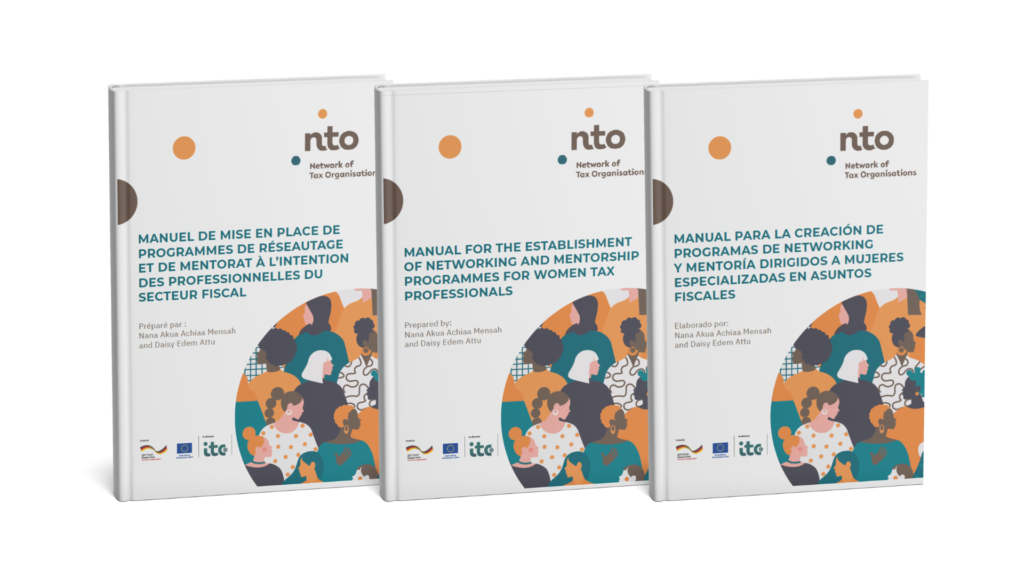
09/10/2024 While the journey may be long, gender balance in the tax sector is possible. This NTO Manual serves as a tool in driving this progress across different regions. By leveraging the influence and technical expertise of NTO member organisations, meaningful change can be fostered within their affiliated tax administrations. This NTO initiative represents a significant step towards creating a more inclusive and equitable tax sector. Tax systems are not commonly associated with the advancement or mainstreaming of gender equality in society. Tax administrations typically focus on processes like revenue collection, compliance, and risk management, often leaving gender considerations on the periphery. In light of this, the Network of Tax Organisations (NTO) presents its latest product, the Manual for the Establishment of Networking and Mentorship Programmes for Women Tax Professionals. The primary objective of the Manual is to facilitate knowledge exchange and mentorship among women in the tax sector — a field traditionally dominated by men. The Manual also seeks to inspire new entrants to the tax sector, providing guidance and support to develop professional competencies for aspiring women tax professionals. By encouraging greater participation from women, the NTO aims to enhance the equity of tax systems and ensure that women’s perspectives are included into decision-making processes, policy development, and tax administration design, among others. Promoting the inclusion and participation of women in the tax field not only benefits women tax professionals but also increases the capacities of tax administrations and improves the equitability of tax systems, contributing to broader societal equity. The Manual addresses a gap in the field by highlighting a networking and mentorship platform in the regional and international tax arena. While it offers general guidance, its implementation can be tailored to the unique characteristics of the piloting members. In other words, the Manual does not provide a one-size-fits-all solution but allows NTO members to adapt it to their specific circumstances, ultimately owning the process themselves. Background and motivation The development of the Manual was inspired by the webinar “Mainstreaming Gender in Tax Administrations”, hosted by the NTO in April 2023. The webinar featured presentations and perspectives from representatives of the Foreign, Commonwealth and Development Office (FCDO) Pakistan, the Zambia Revenue Authority (ZRA), and the African Tax Administration Forum (ATAF). Screenshot taken during the NTO webinar “Mainstreaming gender in tax administrations”, held on 27 April 2023.   During the webinar, Nana Akua Achiaa Mensah, one of the Manual’s co-authors, discussed the ATAF Women in Tax Network (AWITN). AWITN is a unique platform that connects African women working in the field of taxation, including those from governmental and non-governmental institutions, academia, civil society, and aspiring professionals with an interest in tax. Beyond empowering women in the tax field, the network advocates for discussions and studies on the impact of tax policy on gender equality in African countries. The virtual event sparked significant interest, with many participants expressing a desire for similar initiatives in their regions. Recognising the success of AWITN, the Network of Tax Organisations sought to create a product that could replicate and adapt this model for use by NTO members. The Manual builds on the foundation laid by AWITN, offering a scalable solution that can be tailored to different contexts and regional needs within the NTO’s global network. What began as an initiative reaching only ATAF members now has the potential to impact over 180 tax administrations affiliated with the NTO member organisations. By leveraging their unique positions, NTO member organisations can drive meaningful change that impacts these tax administrations. “Change comes from within”. A significant feature of the Manual is that it is a member-driven initiative. ATAF identified this gap in Africa and developed AWITN, which was incubated and nurtured within the Network. Today, it has the potential to expand globally. The way forward The Secretariat of the NTO is collaborating with the Secretariats of the Cercle de Réflexion et d’Échange des Dirigeants des Administrations Fiscales (CREDAF) and the Pacific Islands Tax Administrators Association (PITAA) to present the Manual to their respective memberships in September 2024. CREDAF and PITAA are the first members of the Network of Tax Organisations that will pilot a networking a mentorship programme for women tax professionals, based on the Manual. The programme will be officially launched for a six-month period – starting in September for PITAA and in October for CREDAF – with 10 and 15 participants, respectively. The experiences of PITAA and CREDAF, as well as the exchanges within their regions and networks, can bring to light meaningful lessons, challenges, best practices, and strategies that can serve other NTO members and regions in the future. Insights from PITAA’s and CREDAF’s experiences with piloting the Manual will unfold in time, offering valuable perspectives for the broader NTO community. Links of interest: PITAA-NTO launch Women in Tax Pilot Mentorship Programme

Promoting networking and mentorship for women in tax: a manual of the NTO Read More »

NTO peer learning enters its 3rd edition

09/25/2024 Enhancing the capacities of tax organisations through peer-to-peer learning and exchange The Network of Tax Organisations (NTO) is preparing for the third edition of its peer-to-peer learning initiative, a core component of NTO value proposition 1: to develop a vibrant platform for peer exchange and collaborations among its members. The NTO aims to develop this vibrant platform for peer exchange and collaboration not only among the tax authorities affiliated with the tax organisations members of the Network – such as the well-known NTO webinars on contemporary issues of interest to tax administrations, like tax compliance and cryptocurrencies, tax and gender, and environmental taxes, which bring together tax officers from these tax administrations to share their knowledge and national experiences – but also at the Secretariat level of its ten member organisations. Peer learning between regional and international tax organisations presents an opportunity to strengthen their core processes. Improved processes will enable these tax organisations to provide better services and products to their member tax authorities, ultimately contributing to improving the efficiency of tax administrations. A member needs survey conducted in 2021 identified priority areas where NTO members required support. The results of this survey now inform the thematic areas for subsequent NTO peer-to-peer learning initiatives, ensuring that the sessions are relevant and impactful. What’s new in 2024? This year’s peer-to-peer learning programme will feature two formats, building on the success of previous editions. The initiative will be hosted by the Inter-American Center of Tax Administrations (CIAT) and includes: Virtual Exchanges (September 25, 26, and October 1, 2): Four sessions will be held, primarily among NTO Secretariats. The Secretariat of the NTO will lead the first session on 25 September on “Products on organisational development”. CIAT will host two sessions, one on its CIAT Helpdesk and the other on “Organisational process management”. Furthermore, a special session on 2 October will focus on “Special Taxation Regimes for Taxpayers with Lower Capacity,” bringing together the expertise of NTO members and interested tax authorities. Study Visit (November 18-22): The NTO Study Visit 2024 will be hosted by the Intra-European Organization of Tax Administration (IOTA) at its headquarters in Budapest. It will provide an opportunity for in-person peer-to-peer learning and a deeper exploration of core tax processes. Looking back The first NTO peer learning initiative took place in 2022, led by CIAT through six virtual live sessions. The focus was on three key areas: i) training models for tax administration officials; ii) delivery of technical assistance and cooperation projects; and iii) setting up a research unit plan and developing a research framework (with the latter delivered by the African Tax Administration Forum (ATAF)).                                                           Snap during first peer learning session of NTO members. September 2022.   In 2023, the peer learning initiative evolved with the first-ever NTO Study Visit hosted by CIAT in Panama. Colleagues from IOTA and the Pacific Island Tax Administrators Association (PITAA) travelled to CIAT’s headquarters in Panama City to participate in an immersive study visit, bringing the until then virtual network into a physical setting.                                                                      Picture taken during the NTO Study Visit at CIAT headquarters in Panama City. October 2023. In 2024, NTO is taking the peer-to-peer learning initiative to the next level by combining both virtual and in-person formats, fostering a dynamic a comprehensive platform for exchange on tax administrations matters. These exchanges aim not only to increase the capacity of NTO members but also to serve as a tool to strengthen the global network.

NTO peer learning enters its 3rd edition Read More »

CIAT and NTO Sign MoU to Host 3rd Technical Conference in Panama City in 2025

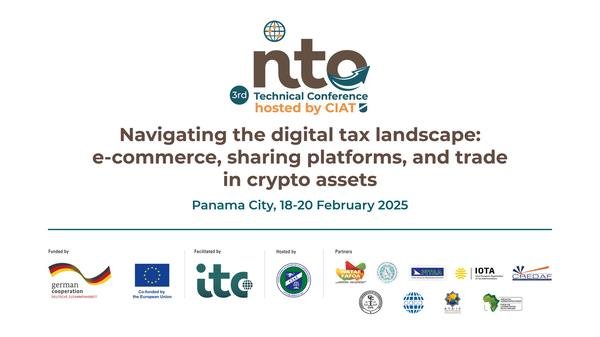
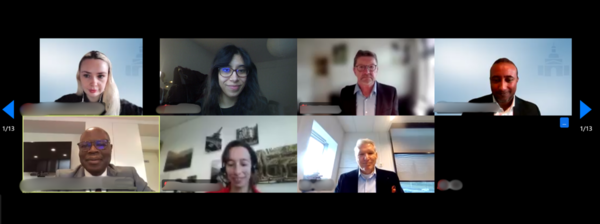
10/10/2024 The flagship event of the global network will bring together international tax experts, policymakers, researchers, and representatives of civil society, and key stakeholders to exchange insights on the digital economy’s evolving tax challenges. Bonn, Germany / Panama City, October 2, 2024 – The Centro Interamericano de Administraciones Tributarias (CIAT) will host the 3rd NTO Technical Conference from February 18 to 20, 2025, in Panama City. The flagship event of the Network of Tax Organisations (NTO) was formalised through the signing of a Memorandum of Understanding (MoU) on October 2, 2024, between Mr. Marcio Ferreira Verdi, Executive Secretary of CIAT, and Mr. Gunther Taube, Head of the Sector Programme Good Financial Governance at Deutsche Gesellschaft für Internationale Zusammenarbeit (GIZ) GmbH, representing the Secretariat of the NTO. The signing ceremony, which took place online, was attended by key representatives from both CIAT and the Secretariat of the NTO, alongside representatives from international tax organisations members of the global network, including Ms. Esther Koisin from the Commonwealth Association of Tax Administrators (CATA) and Mr. Laban Simbeye from the African Tax Administration Forum (ATAF). The meeting underscored the collaborative spirit that will guide the organisation of the upcoming conference, highlighting the relevance of the global network and partnership in addressing global challenges in today’s taxation of the digital economy. Snap after the MoU signature, 2 October 2024.    Mr. Marcio Ferreira Verdi emphasised CIAT’s commitment during the discussion: “At CIAT, we will focus our team to ensure a great event. From today, the NTO is one of our biggest priorities for February”. Mr. Gunther Taube outlined the positive cooperation between NTO and CIAT. He also reflected on the past collaboration during the 1st NTO Technical Conference held in 2021, noting, “I was very pleased by how well our previous virtual conference unfolded, so I am confident about holding an in-person event with CIAT in Panama.”                                                             Snap after the MoU signature, 2 October 2024. Mr. Marcio Ferreira Verdi emphasised CIAT’s commitment during the discussion: “At CIAT, we will focus our team to ensure a great event. From today, the NTO is one of our biggest priorities for February”. Mr. Gunther Taube outlined the positive cooperation between NTO and CIAT. He also reflected on the past collaboration during the 1st NTO Technical Conference held in 2021, noting, “I was very pleased by how well our previous virtual conference unfolded, so I am confident about holding an in-person event with CIAT in Panama.” Mr. Marcio Ferreira Verdi (R) and Mr. Gunther Taube (L) exchange during the signature of the MoU. The MoU marks a step towards bringing together global tax experts and relevant stakeholders in Panama City to exchange insights on Navigating the digital tax landscape: e-commerce, sharing platforms, and trade in crypto assets. In this sense, the conference aims to address key issues related to the taxation of digital platforms, including the evolving challenges posed by the growth of e-commerce, the rise of crypto assets, and the expansion of the gig economy. Participation in the conference is by invitation, gathering a diverse group of tax officials, policymakers, researchers, and representatives from civil society, and key stakeholders of the NTO. The programme will feature expert-led discussions, panel sessions, and workshops that will delve into best practices and strategies for effectively navigating the complexities of taxing digital activities. As preparations for the conference progress, the Secretariat of the NTO will continue to work hand-in-hand with CIAT and other NTO members to ensure a successful and meaningful event. Additional details, including the full programme and confirmed speakers, will be announced in due time. The 3rd NTO Technical Conference follows the successful gatherings of the global network in previous years, on ‘’Building stronger partnerships to fight tax-related Illicit Financial Flows (IFF’s)”  and “Digitalisation of Tax Administrations and Contemporary Issues”, consolidating its position as a key platform for global cooperation on tax issues, with a particular focus on the digital economy’s evolving tax challenges.  

CIAT and NTO Sign MoU to Host 3rd Technical Conference in Panama City in 2025 Read More »

Lessons on the journey to data quality: takeaways from the 2nd NTO Data Governance webinar

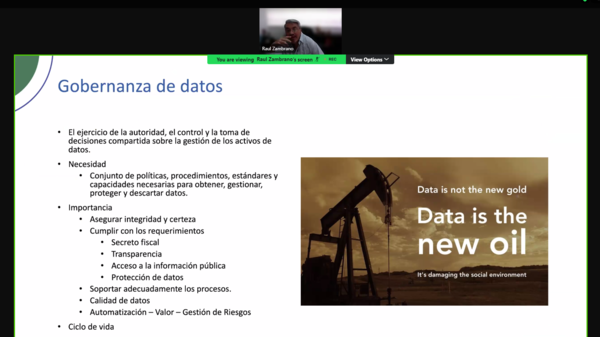
10/17/2024 This article discusses the NTO’s second webinar on Data Governance, which on 8 October explored the assessment of data governance maturity presented by Raúl Zambrano, alongside the Kenya Revenue Authority’s (KRA) experience with data cleansing solutions shared by Damacrine Masira. On 8 October 2024, the Network of Tax Organisations (NTO) hosted the second webinar of a series of three online events on Data Governance, organised in cooperation with the Inter-American Center of Tax Administrations (CIAT). Data Governance in action: the road to data quality brought together tax experts and practitioners from various regions to discuss data management in the context of revenue administrations. The virtual event explored the assessment of data governance maturity and the experience of the Kenya Revenue Authority (KRA) with data cleansing solutions. A Q&A session with the attendees followed the presentations. The event was conducted in both in Spanish and English, with simultaneous interpretation into French, and Arabic. Tax authorities affiliated with NTO member tax organisations attended the webinar, which was moderated by David Borja, Executive Operations Manager at CIAT. If you missed the first webinar of the series, check out this article. Insights from Raúl Zambrano In the webinar, Raúl Zambrano, Inter-American Development Bank (IDB) consultant and co-author of Data Governance for Tax Administrations. A Practical Guide, provided valuable insights into the importance of data management in tax administration. Through everyday examples, such as using an ATM, Zambrano illustrated how technology and digitalisation play a crucial role in optimising data management in this field. He specifically highlighted how advanced technologies, such as machine learning and Artificial Intelligence (AI), can be applied in tax administrations to improve decision-making processes. According to Zambrano, there are three key areas where AI can be leveraged: Real-time data analysis: Enables data to be processed and analysed as it arrives, improving responsiveness to fiscal events. Automated decision-making: Facilitates the integration of data into tax administration decision processes. Economic projections and simulations: Uses AI to conduct studies and simulations that better inform tax policies. Zambrano emphasised that this data-driven approach represents a shift in the traditional paradigm. It is no longer just about applying predefined rules but allowing data to become the core of decision-making, fostering deeper collaboration between human capital and technology.                                                                    Snap during Raúl Zambrano’s presentation. “Decisions based on evidence enhance our ability to create value and manage risks more effectively”. This approach requires a robust data governance framework within tax authorities. To achieve this, it is essential that tax authorities take ownership and control of their data, and establish clear policies to ensure its integrity and reliability. Procedures and standards must be defined to guide data management, ensuring that decision-making is both accurate and secure. Additionally, Zambrano highlighted the importance of developing strategic, operational, and support capabilities. Tax authorities must set a realistic level of data management maturity that aligns with their current resources and capabilities, including financial resources, human capital, and data literacy, among others. As this level is consolidated, their capabilities can gradually expand. In summary, Raúl Zambrano’s presentation evidenced that data governance not only transforms decision-making within tax administrations but also lays the foundation for more efficient and evidence-based management.                                                                      Screenshot during Raúl Zambrano’s presentation.   The experience of KRA by Damacrine Masira Damacrine Masira shared an insightful overview of Kenya Revenue Autority (KRA)’s journey towards digital transformation. In 2013, KRA began automating domestic tax processes – such as PIN issuance, filling returns, and making payments – as well as custom procedures. Prior to that, operations were manual, resulting in inefficient service delivery. However, as KRA integrated its traditional methods into these new automated systems, issues with poor data migration arose, marking the beginning of their quality data quality challenges. To address this, KRA adopted a data cleansing approach that focused on three areas: Ensuring correct registration from the start, addressing system issues and policy gaps. Cleansing existing registration data based on risk. Maintaining the integrity of the taxpayer register and build organisational capabilities. Masira explained how CIAT, with the use of the manual Data Governance for Tax Administrations. A Practical Guide, supported KRA in conducting a data maturity and governance assessment. This assessment helped KRA understand key issues they had with data, such as working with duplicated PIN numbers, providing a roadmap for improving their practices. “Planning is key. We want to run, to implement, to tick a box. But policy guidelines and data quality maturity assessment are critical and should be prioritised”. In her conclusion, Damacrine Masira shared the key lessons and challenges from KRA’s transformation journey towards improving data quality. Masira also stressed the need to conduct a maturity assessment before taking up data cleansing efforts, while underlining the importance of capacity building within the tax administration workforce.                                                               Snap during Damacrine Masira’s presentation. The webinar concluded with a Q&A session, where participants form various tax authorities around the world expressed interest in Kenya’s experience. These peer exchanges highlight the value of knowledge-sharing events organised under the umbrella of the Network of Tax Organisations (NTO). Such discussions show the NTO’s crucial role in fostering practical, meaningful dialogue on common challenges faced by tax administrations globally. The third webinar of the NTO series on Data Governance will take place in November. More information will follow soon. Learn more about the NTO Data Governance initiative here.   

Lessons on the journey to data quality: takeaways from the 2nd NTO Data Governance webinar Read More »

PITAA-NTO launch Women in Tax Pilot Mentorship Programme

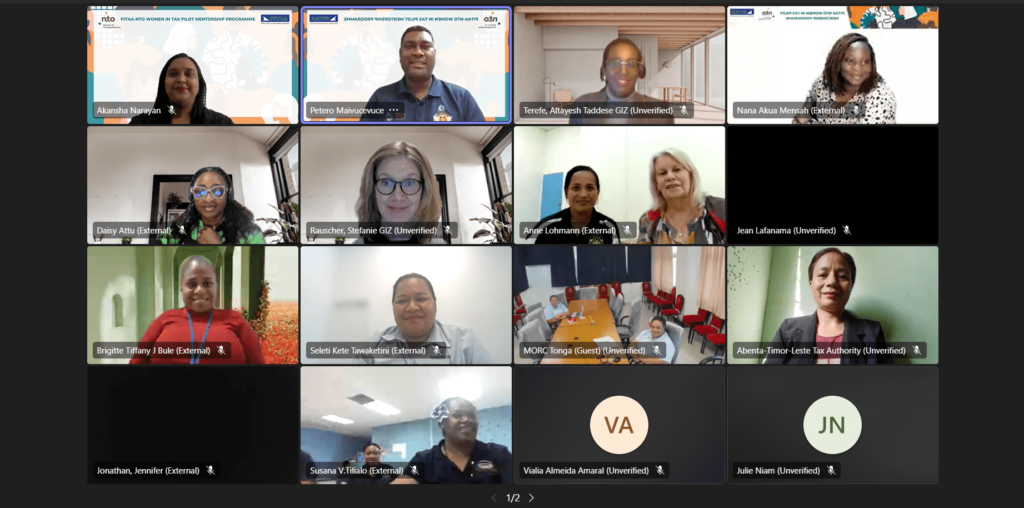
12/10/2024 On 28 November, the Pacific Islands Tax Administrators Association (PITAA) hosted the orientation session for its Women in Tax Pilot Mentorship Programme, an initiative launched in collaboration with the Secretariat of the Network of Tax Organisations (NTO) aimed at establishing a network of women tax professionals in the Pacific Region. This piece was originally published by PITAA. The Pacific Islands Tax Administrators Association (PITAA) has partnered with the Network of Tax Organisations (NTO) to officially kick off the Women in Tax Pilot Mentorship Programme with its orientation session held virtually on Thursday 28th November 2024. This initiative is aimed at fostering gender equity, promoting professional development, and empowering women leaders in the field of tax administration across the Pacific region. The orientation session brought together a diverse group of thirty-three (33) mentors and mentees representing various Pacific Island tax administrations. The session served as a platform to introduce participants to the programme’s objectives, mentorship guidelines, and the tools required to build impactful professional relationships.                                                              Screenshot taken during the orientation session, 18 November 2024. Key highlights of the orientation session: Programme overview: Participants were briefed on the goals of the mentorship programme, emphasising its focus on supporting women in navigating leadership roles, addressing gender-specific challenges, and enhancing technical expertise in tax administration. Mentor-mentee dynamics: Sessions included discussions on creating meaningful connections, setting objectives, and fostering collaborative learning. PITAA Training Coordinator and Office Administrator, Mr. Petero Maivucevuce, expressed his enthusiasm about the programme stating that this programme will facilitate enhanced mentoring and knowledge exchange amongst women in tax administrations, fostering a supportive community. The program is designed with one clear mission to empower and support women in working, working in textual structured mentorship framework by focusing on professional development and enhancing leadership skills, we aim to promote gender equality in our workspaces. Petero Maivucevuce PITAA Training Coordinator and Office Administrator This initiative aligns with PITAA’s ongoing efforts to integrate gender perspectives into tax policy and administration. By providing a platform for mentorship, the programme seeks to cultivate a supportive network that not only enhances individual career trajectories but also strengthens the overall capacity of tax organisations in the Pacific region. PITAA extends its gratitude to the NTO and the participating tax administrations for their ongoing support in making this programme a reality. PITAA Secretariat looks forward to witnessing the positive outcomes of this collaboration and remains committed to fostering initiatives that drive inclusivity and innovation in the tax sector. Learn more about the NTO tax and gender initiative: Manual for the Establishment of Networking and Mentorship Programmes for Women Tax Professionals.

PITAA-NTO launch Women in Tax Pilot Mentorship Programme Read More »

NTO-IBFD training course on Beneficial Ownership concludes after four successful modules and eight live sessions

12/12/2024 The course Using Beneficial Ownership Transparency for Tax Collection, a collaboration between the NTO and IBFD, concluded its final live sessions on 3 December 2024, bringing the extensive four-module training programme to a close. The course Using Beneficial Ownership Transparency for Tax Collection, a collaboration between the Network of Tax Organisations (NTO) and the International Bureau of Fiscal Documentation (IBFD), successfully concluded its final live sessions on 3 December 2024, marking the end of a comprehensive four-module training programme. The course, which ran from September to December 2024, combined both international standards and legal frameworks with practical solutions, focusing on the challenges faced by tax authorities globally in enforcing beneficial ownership transparency.                                                                    Screenshot during the first live session, 24 September 2024. Click on the image to know more. The course stands out because, through interactive live sessions and real-world case studies, it brought together participants from tax authorities from different regions, who shared the experiences and challenges they face in the enforcement of their domestic tax laws against taxpayers using intricate structures to disguise true ownership. While the first module was introductory and covered the basics, the rest of the modules were hands-on. The second module focused on analysing complex tax structures to identify tax implications and liabilities, while the third module covered exchange of information (EoI) mechanisms. The fourth module addressed enforcement procedures, including challenges in evidence collection, prosecution, and investigation. It also explored barriers to obtaining information, using data, and balancing procedural limitations, such as taxpayers’ rights, with the government’s need to seek assets and collect information. The course’s stands out for its global reach, bringing together participants from a diverse range of countries to exchange experiences and challenges. Through interactive live sessions dedicated to addressing general questions and discussing real-world case studies, participants from tax authorities in various regions shared insights into addressing the complexities of enforcing tax laws against taxpayers using intricate structures to disguise true ownership. In their remarks during the final live sessions of the training, both NTO and IBFD representatives highlighted the significance of the course in advancing global tax cooperation. Mr. Jules Tapsoba, Executive Secretary of the West African Tax Administration Forum (WATAF), one of the ten members of the NTO, emphasised the importance of aligning beneficial ownership initiatives to combat tax fraud and evasion, particularly in West Africa. He noted that such programmes are critical for strengthening tax administrations and supporting effective fiscal policies. Mr. Tapsoba also underscored the role of international tax cooperation in improving enforcement across borders, with participants from different continents exchanging valuable insights. “This training course marks another milestone in fostering cooperation and equipping tax professionals with the tools to tackle tax evasion and fraud effectively”. Mr. Jules Tapsoba Mr. Jules Tapsoba, WATAF’s Executive Secretary, delivering closing remarks to the course, 3 December 2024 Mr. Victor van Kommer, Director of Tax Services and member of the Executive Board at IBFD, reflected on the programme’s impact, noting that it provided tax authorities with valuable tools to enhance tax compliance and revenue collection. He highlighted the course’s relevance in addressing the global issue of illicit financial flows and the critical role of beneficial ownership transparency in combating tax abuse. He also praised the blended learning format, which combined theoretical knowledge with practical discussions. About the course programme Mr. Birhanu Tadesse Daba, Principal Associate, Capacity Building and Tailored Services at IBFD, and content manager and facilitator of the case studies and live sessions during the training programme, described the course as a multifaceted success. He highlighted the comprehensive scope of the training, which covered beneficial ownership transparency along with related topics like business operation perspectives and tax avoidance schemes. The course was designed to meet the needs of participants at different skill levels — basic, intermediate, and advanced — ensuring it met the needs and interests of all attendees. A major highlight was the active participation and engaging discussions, with many participants staying beyond the scheduled 90-minute live sessions and seeking deeper insights, demonstrating their dedication and commitment. Mr. Tadesse also outlined the course’s structure, format, and delivery times as key strengths. “The course provided a complete picture: setting the scene, diving into the legal framework and practical aspects, and concluding with implementation. Since no country can tackle tax evasion and tax avoidance alone, cooperation with other jurisdictions is needed. The course also covered how to cooperate with others through exchange of information, assistance in tax collection, and criminal investigations”. Mr. Birhanu Tadesse Daba                                            Last case study of the tax training programme, led by Birhanu Tadesse Daba. 3 December 2024 With participants from over 80 countries, the course fostered a vibrant exchange of ideas, highlighting both regional differences in tax administration capacities and common challenges in tackling tax evasion. This underscores the growing need for more initiatives that foster collaboration and practical learning among tax professionals worldwide. Impressions from participants About IBFD IBFD is a centre of expertise offering high-quality information and education on International Tax. IBFD’s research platform allows tax practitioners around the world to access this valuable content, on which they can rely to do their work faster and more effectively. IBFD is an independent (non-profit) foundation with the ultimate goal to promote and disseminate the understanding of cross-border taxation at the highest level. Contact If you have any questions, or suggestions for follow-up or related activities please do not hesitate to contact us at secretariat@taxcompact.net

NTO-IBFD training course on Beneficial Ownership concludes after four successful modules and eight live sessions Read More »

Strengthening ties: NTO Study Visit to IOTA Secretariat in Budapest

01/26/2025 From 18 to 22 November 2024, the IOTA Secretariat in Budapest hosted the 2nd edition of the NTO Study Visit, welcoming colleagues from CREDAF and CIAT. From 18 to 22 November 2024, the Intra-European Organisation of Tax Administrations (IOTA) Secretariat in Budapest, Hungary, hosted the 2nd edition of the Network of Tax Organisations (NTO) Study Visit, welcoming colleagues from the Centro Interamericano de Administraciones Tributarias (CIAT) and the Cercle de Réflexion et d’Échange des Dirigeants des Administrations fiscales (CREDAF). Participants included Neila Jaén, Strategic Services Manager, and Ana Larrotta, Communications and Marketing Specialist, from CIAT, along with Ismaila Diallo, Deputy Secretary General of CREDAF, who took part in a comprehensive programme led by Eugenijus Soldatkovas, IOTA’s Work Programme Manager, to provide insights into his organisation’s work.                                                                  Welcoming session by IOTA colleagues (left) to Study Visit participants (right). Through strategic discussions, observations, and hands-on activities, I enhanced my understanding of operational frameworks that support efficiency and effectiveness in tax organisations. Ana Larrotta, CIAT’s Communications and Marketing Specialist. The visit featured an in-depth exploration of the IOTA Work Programme lifecycle, including its planning, approval, and evaluation stages, led by Soldatkovas. The agenda also addressed technical enquiries and digital event management, along with strategic sessions on communication and promotional activities presented by Erika Szabó, Communications and Publications Specialist at IOTA. All in all, the sessions stood out for their practical relevance. In addition to the formal programme, cultural and networking activities, such as a guided tour of Budapest, enriched the experience by fostering personal connections and mutual understanding. The Secretariat of the NTO engaged with Ismaila, Neila, and Ana to gather further insights into their experiences during their week in Budapest. Could you talk about a specific experience during the NTO study visit that really helped you better understand strategic processes in your organisation? Neila (CIAT): The presentation on IOTA’s Annual Work Programme, which provided me with a deeper understanding of how strategic programmes are planned, implemented, and evaluated. The visit also enhanced my ability to manage projects in a more structured way, especially for hybrid and digital events. For example, I apply a more dynamic approach when organising technical workshops by integrating new digital tools I learned at IOTA. Ana (CIAT): One of the most impactful moments was seeing how technology and tools optimize operations. It inspired me to streamline my processes, prioritise tasks effectively, and use templates to enhance productivity. Observing how all ideas were documented in accessible formats to later use in webinars, events, or articles demonstrated the value of capturing knowledge for future applications. I’ve started documenting meeting outcomes and project insights to ensure nothing is overlooked. Ismaila (CREDAF): Overall, what impressed me the most were the presentations made by the IOTA colleagues on how their organisation works in terms of management: planning and then putting procedures in place to operationalise. Naturally, this requires competent human resources in a professional environment where everyone plays their part on the basis of team spirit.                                                      From L to R: I. Diallo (CREDAF), N. Jaén (CIAT), and A. Larrota (CIAT). What cultural insights or unique practices did you observe during the Study Visit to IOTA? Ana (CIAT): I observed how structured and collaborative IOTA’s publication planning is. This motivated me to adopt clearer, more systematic workflows in my own work, particularly for planning tasks like publications. Could you share your main takeaways or key lessons? Neila (CIAT): I highlight the value of technology as an essential tool for tax administrations. During the visit, we aimed to understand our services better and learn how to optimise their use and processes. I plan to apply this by improving database management, enhancing technical publications, and strengthening technical assistance through digital platforms, which will increase efficiency and impact, and benefit our organisation and members. Ismaila (CREDAF): I’ve learned that procedures are of paramount importance in moving from strategy to operations. So, it’s important to have centralised management of procedures – via the website for IOTA, for example, while maintaining a well-structured sequencing with well-defined levels of responsibility. I also really appreciated the way IOTA manages its focal points in its member tax administrations. All this contributes to improving the efficiency of IOTA’s activities. I’ve started using them as inspiration to improve things in my tax organisation. Ana (CIAT): A key lesson I learned is the importance of prioritising tasks and simplifying information. I’ll apply this by making my outputs more concise and accessible for both internal teams and member countries. Did you face situations that took you out of your comfort zone? Ana (CIAT): As an introvert, I usually listen and observe, but this visit pushed me to ask more questions. It was challenging but helped me engage actively, gain insights, and build confidence in discussions. Neila (CIAT): The supporting environment created by IOTA colleagues made the experience smooth and collaborative. Sharing CIAT’s experience with such a great team of professionals was a pleasure. If this study visit was a movie, how would you name it? Ismaila (CREDAF): Drawing on the IOTA experience: learning tour in Budapest. Neila (CIAT): “Tax Evolution: Connections of the Future”. It reflects how NTO member organisations have the potential to unite forces and overcoming that challenges of modern tax administration using the power of technology and collaboration. Ana (CIAT): I would call it “The Karate Kid” because it reflects my growth journey as a young professional learning through mentorship and hands-on experiences, much like Daniel’s journey with Mr. Miyagi.                                                                IOTA colleagues and participants to the NTO Study Visit. Click on the image for more information. The NTO Study Visit

Strengthening ties: NTO Study Visit to IOTA Secretariat in Budapest Read More »

3rd NTO Technical Conference convenes in Panama

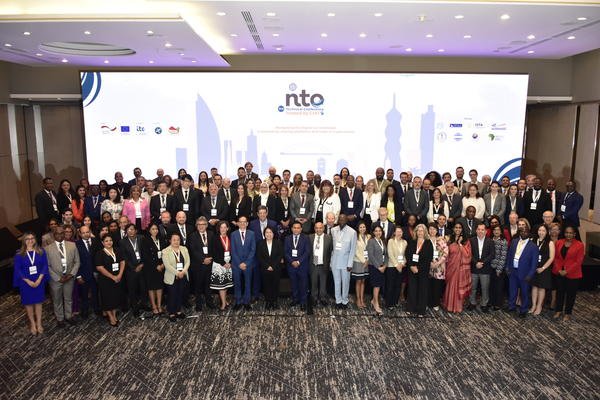
02/18/2025 On Tuesday 18 February, the 3rd NTO Technical Conference kicked off in Panama. The biennial flagship event of the Network of Tax Organisations, hosted by CIAT, has brought together over 300 participants in situ and online to discuss the challenges and opportunities of today’s digital tax landscape.                                                               PRESS RELEASE “With this conference, the NTO once again creates value to its members and underlines its importance in the international tax landscape. Seven years after its inception, the NTO has matured and firmly positioned itself as a dynamic platform for international collaboration and dialogue on tax.” High-level opening remarks by Niels Schütt, Head of Division for Sustainable Development Financing at the German Federal Ministry for Economic Cooperation and Development (BMZ). The rapid digitalisation of the global economy has transformed how income is generated, value is distributed, and economic activities are conducted, resulting in significant challenges for tax authorities. Digital platforms, blockchain, crypto assets, e-commerce, and the gig economy have redefined traditional taxation concepts like place of supply and permanent establishment, complicating enforcement and jurisdiction The three-day Conference of the Network of Tax Organisations (NTO), under the theme “Navigating the digital tax landscape: E-commerce, sharing platforms, and trade in crypto assets”, will serve as a platform for international tax experts and tax administrations worldwide to discuss these challenges, share experiences, and explore practical approaches. The Centro Interamericano de Administraciones Tributarias (CIAT), one of the ten NTO member tax organisations, are the hosts of this year’s Conference. Leading professionals in taxation and international finance have gathered in Panama City and online under the umbrella of the NTO. These include Executive Secretaries and Directors from regional and international tax organisations, as well as senior officials from ministries, revenue authorities, and global and institutions such as the IMF, OECD, and IDB. Together, they bring their collective experience and expertise to enrich the global dialogue on the challenges and opportunities of today’s digital tax landscape. Of the registered participants, 129 delegates are attending onsite, while more than 200 have joined online on the first day. Over the next three days, this diversity of expert voices will offer meaningful contributions on cutting-edge matters related to the taxation of digital assets. “The best channel for knowledge sharing is peer-to-peer.” High-level opening remarks by Marcio F. Verdi, Executive Secretary of the Inter-American Centre of Tax Administrations and Conference host. “This Conference supports EU’s objective to enhance compliance and foster international cooperation to create more transparent, efficient, and equitable tax frameworks.” Nathalie Brajard vom Stein, Deputy Head of Unit for “Macro-economic analysis, Fiscal Policies and Budget Support, Global Parnerships with IFIS” in the Directorate in charge of “Sustainable Finance, Jobs and Growth, an Economy that works for the People” of the European Commission’s DG INTPA for International Partnerships.     “This Conference is the testament of our collective commitment to transparency and efficiency in tax administrations.” Esther Koisin, Executive Director of the Commonwealth Association of Tax Administrators (CATA) and Head of the NTO Council. Technical conferences are flagship events of the NTO and demonstrate the convening influence of 10 regional and international tax organisations. They represent a significant  contribution to the global dialogue on international tax cooperation and revenue administration matters. Previous NTO Technical Conferences: 1st NTO Technical Conference 2021: Building Stronger Partnerships to Fight Tax-Related Illicit Financial Flows 2nd NTO Technical Conference 2023: Digitalisation of Tax Administrations and Contemporary Issues About the NTO The Network of Tax Organisations (NTO) is a network of ten regional and international tax organisations that aims to develop and promote effective tax systems as a means to contribute to the well-being of people. The NTO was founded in May 2018 in Ottawa, Canada, and brings together 10 member organisations that represent over 193 national tax jurisdictions worldwide. Jointly, the NTO aims to develop the capacity of its members and foster international collaboration and dialogue on tax in support of effective Domestic Revenue Mobilisation (DRM). The International Tax Compact (ITC) facilitates the Secretariat of the NTO. The ITC is currently funded by the German Federal Ministry for Economic Cooperation and Development (BMZ), co-funded by the European Union, and implemented by the Deutsche Gesellschaft für Internationale Zusammenarbeit GmbH (GIZ).

3rd NTO Technical Conference convenes in Panama Read More »

Translate »